


Every month, a new “property hot spot” makes headlines. Investors rush in, prices spike, and for a moment it feels like a property boom is underway. But if history has shown us anything, it’s that booms don’t appear out of thin air. They’re driven by real shifts in population, industries, and long-term economic trends.
Population growth: The first clue
Population growth is one of the strongest drivers of property demand, but the numbers tell us to look deeper than just raw arrivals. Queensland, for example, has been the standout in interstate migration for over a decade.
In 2021 alone, it gained more than 51,000 people from other states, while New South Wales lost over 42,000. Even in 2024, Queensland added nearly 26,000 residents while NSW shed more than 28,000.
More people mean more demand for housing, but the real question is whether that growth is sustainable or just a short-term trend.
Industries that shape property markets
Strong industries often sit behind population shifts. Western Australia provides a clear lesson: during the mining boom, WA consistently gained thousands of new residents (over 8,000 in 2012).
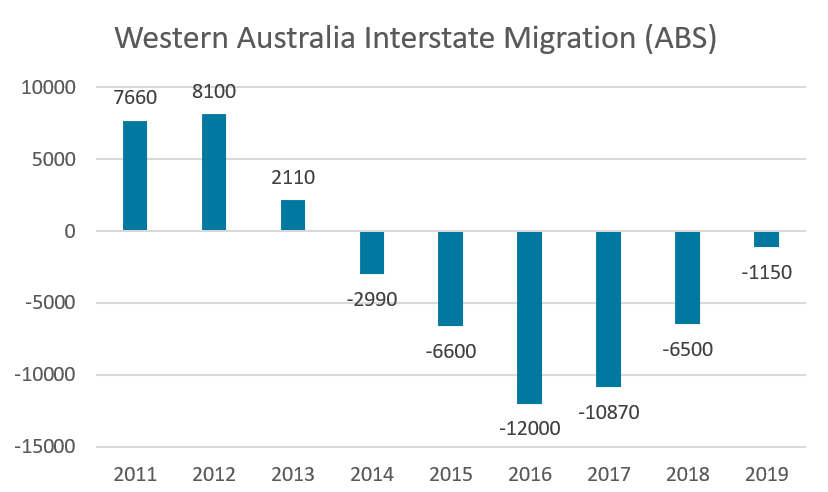
But when the mining tax hit and commodity prices softened, interstate migration flipped. By 2016, WA was losing 12,000 people a year. Property investors who bought during the boom faced weaker demand and softer prices in the years that followed.
Compare that to capital cities like Sydney and Melbourne, which – despite fluctuations – benefit from diverse industries like finance, tech, education, and healthcare. These create more consistent long-term demand.
The risk of chasing property hot spots
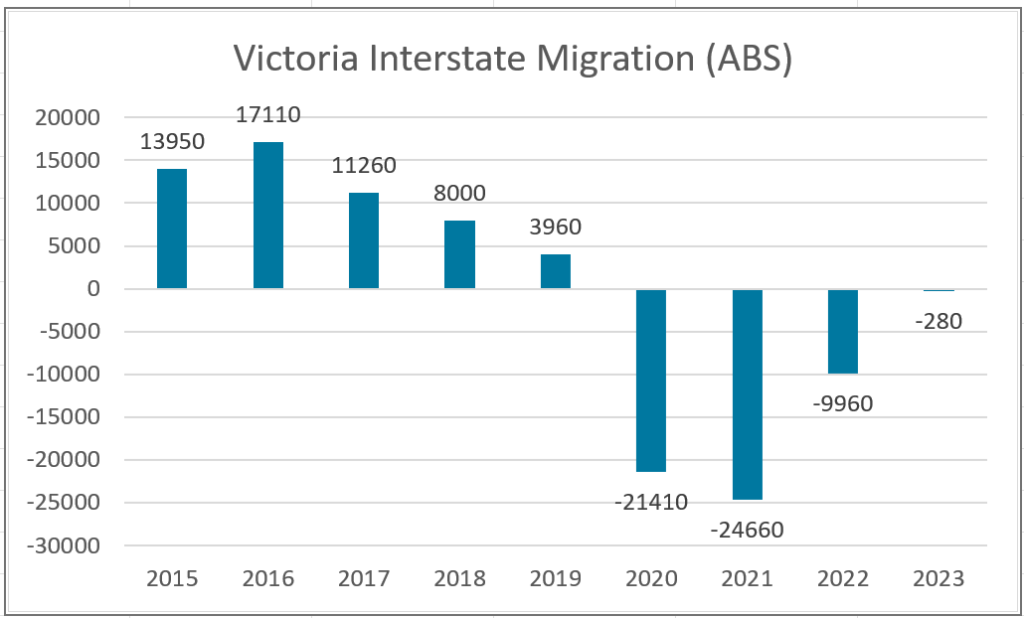
Following the herd can be tempting. Melbourne’s surge in the 2010s saw strong capital gains, but when oversupply hit in certain areas, vacancy rates rose, and growth stalled. Victoria flipped from gains of over 17,000 new residents in 2016 to a loss of nearly 25,000 in 2021 thanks to the 1 in 100-year global pandemic, and Victoria being one of the most locked down areas worldwide.
Even in capital cities, supply and demand must be carefully weighed. Tracking building approvals, new project pipelines, and rental vacancy rates tells you if growth is sustainable or about to stall.
One city, many markets
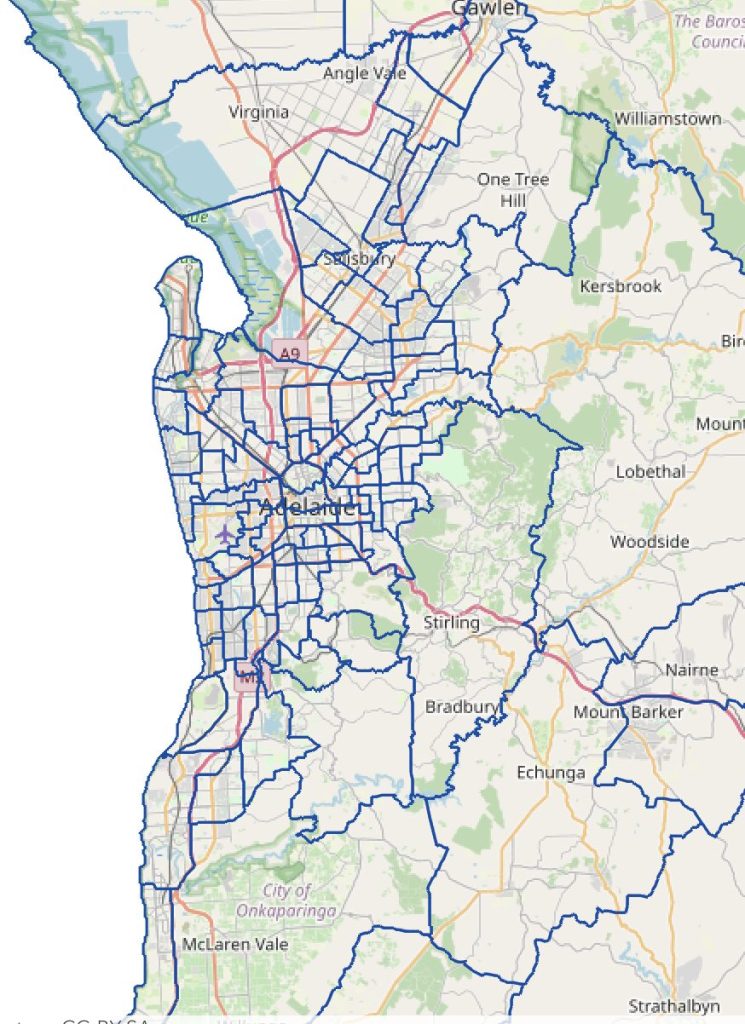
It’s also critical to remember that no city is one single property market. Take Adelaide as an example: Andrews Farm does not behave like Marion, and Moana is a very different story to Klemzig.
There can also be variances within a suburb. Take Prospect as an example, where there are patches of the suburb featuring sprawling, leafy blocks, which perform quite differently to those smaller blocks, with high-density builds, closer to the main road or trainline.
Local infrastructure, employment opportunities, school catchments, and lifestyle factors create micro-markets within the same metro area. That’s why painting with a broad brush – “Adelaide is booming” – misses the reality of what’s happening suburb by suburb.
Policy and regulation
Government settings can fuel or stall markets. Land tax reforms, vacancy taxes, and planning regulations all influence where people choose to buy or rent.
In states with aggressive land tax hikes, property investor appetite can cool quickly, even if population growth is strong.
The Equidel view
The next property boom could be found by chasing headlines or following the herd into Australia’s “property hot spots” but buyer be warned, markets can become oversupplied quickly and vacancy rates and slow growth might hit your back pocket hard.
Smart property investing comes from understanding the real drivers of sustainable growth: things like population flows, industry resilience, supply-and-demand balance, and the policy environment.
At Equidel, we focus on minimising risk and identifying property markets that deliver consistent performance over the long term. Because growing your property portfolio isn’t built on chasing short-lived peaks, it’s grounded on steady, reliable growth.